
Choosing from a large online casino lobby can be harder than finding a game to play. A useful betya casino canada review should therefore focus less on broad claims and more on practical discovery: how the catalogue is organised, which game families are available, and what information can help you compare titles. The aim is not to treat every game as interchangeable, but to create a shortlist that suits your preferred pace, format and level of complexity.
Start with the type of experience you actually want
The quickest way to narrow a large catalogue is to decide what kind of session you want before browsing individual titles. Slots are usually the natural starting point for players who prefer automated play, visual themes and changing bonus mechanics. Within that group, classic slots tend to be simpler, while video slots may include several paylines, expanding symbols, free-spin rounds or cascading reels. Progressive jackpot games add a separate prize structure, but the presence of a large advertised jackpot should not be treated as a prediction of winning.
Table games suit a different preference. Blackjack, roulette, baccarat and craps are built around established rules and repeated decisions rather than dozens of changing symbols. Video poker can appeal to players who enjoy selecting hands and considering a fixed set of choices. Bingo, keno and scratch cards offer shorter, more straightforward formats, while crash games create a faster and more volatile style of play. These categories are not simply cosmetic labels; they describe different rhythms, decision levels and ways that outcomes are generated.
Live dealer games add video streams, real-time tables and dealer interaction. They can feel closer to a physical casino, although the underlying wagering risk remains. Game-show formats may combine a host-led presentation with simplified bonus mechanics. Originals described in the catalogue include instant or RNG-style versions of crash, mines, diamonds, roulette, blackjack and baccarat. Treat these as their own category when browsing, because a familiar game name may be presented in a substantially different format.
Use the lobby filters before judging individual titles
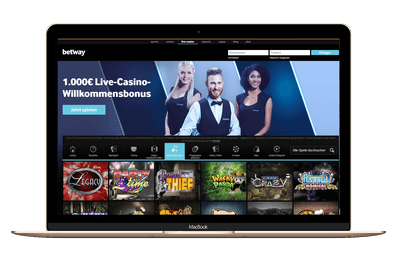
A catalogue with thousands of titles is most useful when its navigation reduces choice rather than encouraging endless scrolling. The available sections include broad categories such as Video Slots, Classic Slots, Live Dealer, Blackjack, Roulette, Table Games, Video Poker and Jackpot. These provide a practical first pass. If you already know the format you want, beginning with a category is usually more efficient than opening the home lobby and relying on whichever title appears first.
Curated and activity-based sections can help with discovery, but they need careful interpretation. Top 50, New, Betya’s Best, Hot, Favorites and Recents each answer a different question. “New” is useful for recent additions, while “Recents” helps return to games you have already opened. “Favorites” is a personal filing system. By contrast, a popularity or featured label may reflect catalogue placement rather than a measurable difference in game quality, value or suitability.

Use filters as a shortlist-building tool rather than as a recommendation engine. Open a few games from one category, note their basic mechanics and remove titles that do not match your preferred pace. For example, someone who dislikes frequent feature rounds can avoid selecting games solely because they include bonus buys or cascading reels. Someone who enjoys live interaction can separate streamed tables from RNG versions of the same traditional game. This simple comparison prevents presentation from making the decision for you.
Compare mechanics, not just themes
Two games can share a theme while offering very different play. A slot with Hold & Win features may create a different session pattern from one built around cascading reels. Bonus buys, where offered, can change the cost and speed of accessing a feature, so they deserve particular attention rather than being treated as a standard part of the game. A named title may look appealing because of its artwork, but the more useful questions concern its rules, paytable and available information.
RNG titles may provide demo access and title-specific RTP details. A demo can help you understand the interface, paylines, symbols and bonus triggers without risking money. It cannot establish how a real-money session will perform, guarantee a return or prove that a short sequence represents the stated RTP. RTP is a long-run statistical measure, not a forecast for one visit. Volatility, when disclosed, is also worth considering because it describes the general distribution of wins, not a promise of frequency or size.

For table and live games, compare rules and table conditions instead of visual polish. Check whether the version is standard or adapted, which betting options are available and whether the interface displays the rules clearly. Live dealer streams may differ in table limits, game variants and studio presentation. If those details are not visible before play, consult the operator’s stated game information or support rather than assuming that every table follows the same conditions.
Separate provider variety from meaningful choice
The catalogue is described as drawing from more than 30 studios, including Pragmatic Play, Evolution, Play’n GO, Yggdrasil, Betsoft, BGaming, Playson, Quickspin, Relax Gaming and several others. That range can be useful because studios often develop recognisable approaches to mathematics, themes and interface design. However, a long provider list does not automatically mean that every title is available to every player, or that a particular studio’s games will suit your preferences.
Provider names are best used as a secondary filter. If you like a certain interface or feature style, browsing that studio’s other titles can be more efficient than exploring the entire lobby. Examples named in the catalogue include Gold Nugget Rush 2, Great Ghosts, Book of Champions: World Glory, Big Bass Raceday Repeat, Coin Strike 2: Hold and Win and Zeus Hold and Win. These examples illustrate range, but they should not be read as recommendations or evidence that one title offers better results than another.
Availability can also change as games are added, removed or restricted by jurisdiction. The source material describes ongoing additions and notes that availability depends on the player’s location. For Canadian adults, province-specific rules and operator availability should be checked independently rather than inferred from a game list. General information about gambling and addiction is available through CAMH’s problem gambling information. It does not confirm casino-specific features, but it offers useful context for keeping game discovery separate from assumptions about likely outcomes.
Build a shortlist that remains easy to control
A practical shortlist might contain three to five games from one or two categories, not every title that catches your attention. Record the game type, provider, key mechanics and any displayed RTP information. Then decide whether you prefer a simple format, more frequent features, live interaction or a higher level of decision-making. This approach makes the lobby manageable and gives you a reason for selecting each title beyond its name or artwork.
Keep the shortlist separate from your spending decision. Enjoying a demo, liking a theme or seeing a recent win does not establish that a game is favourable. Decide in advance how much time and money you are prepared to risk, and do not increase either measure to chase a result. The account tools described for the operator include deposit limits, cooling-off periods, time-outs, self-exclusion and other responsible-gambling settings. Check the stated requirements and availability of those controls before relying on them.
Review the shortlist occasionally, especially when new releases appear. Remove games that encourage rushed decisions or do not provide enough information to understand the rules. A smaller selection can make it easier to notice how long you are playing and whether your choices still match your original plan. The strongest game-discovery habit is not finding a supposedly perfect title; it is choosing formats consciously, understanding their limits and stopping when the session no longer feels controlled.
Questions readers often ask about game discovery
Can I try games before playing for real money?
Many RNG titles are described as offering demos, which can help you learn the controls, paytable and feature structure. A demo does not verify RTP through short play, predict future results or demonstrate that a game will be profitable. Use it to assess whether the format is understandable and enjoyable, not to forecast outcomes.
Are live dealer games different from regular table games?
Live dealer games use streamed tables, dealers and, in some cases, chat, while regular digital table games use software-generated outcomes and interface controls. Both involve risk, and neither format guarantees better results. Compare the specific rules, available options and table conditions rather than choosing solely because a game is live.
Does a larger game library mean better value?
Not necessarily. A larger library provides more formats and providers, but it can also make impulsive browsing easier. Value cannot be established from the number of titles alone. Look for clear rules and relevant game information, then select a small group that fits your preferred pace and pre-set limits.
Recent Comments